Unlocking the Power of Stylized Maori Symbols in Modern Digital Design
In the vibrant world of digital art and graphic design, few elements carry as much weight, history, and visual impact as Stylized Maori Symbols. These intricate patterns are not merely decorative; they are a profound language of identity, heritage, and storytelling. For designers, crafters, and business owners, integrating these symbols into modern projects offers a unique opportunity to blend cultural richness with contemporary aesthetics. Whether you are creating a brand logo, designing wedding invitations, or producing handmade crafts, understanding how to utilize high-quality digital assets like SVG artwork can elevate your work from simple decoration to meaningful art.
The Significance of Maori Iconography
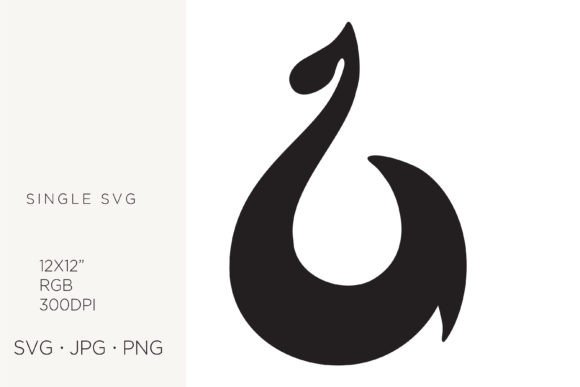
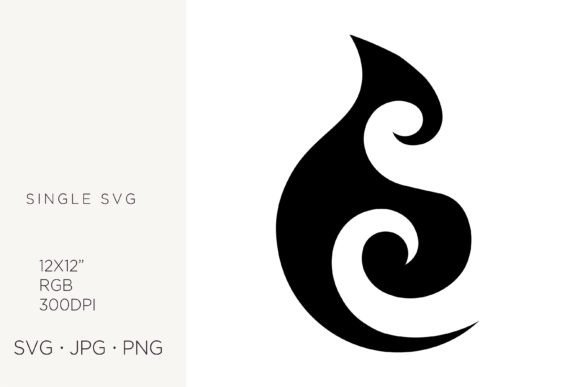
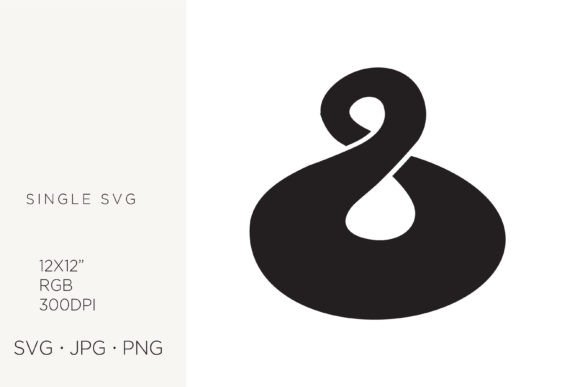
Before diving into the technical aspects of using digital files, it is essential to appreciate the source material. Maori art, originating from the indigenous people of New Zealand, is deeply rooted in nature and spirituality. Common motifs include the Koru, which represents new life, growth, and peace, inspired by the unfolding silver fern frond. Another powerful symbol is the Hei Matau, a fish hook shape that signifies strength, prosperity, and safe travel over water. The Tiki figure often represents the first man and is a guardian against evil spirits.
When these traditional forms are stylized for modern use, they retain their core essence while becoming more adaptable to various design contexts. This stylization allows the symbols to fit seamlessly into logos, web interfaces, and printed materials without losing their cultural resonance. However, it is crucial to approach these designs with respect, acknowledging their origins and avoiding misappropriation by using them in ways that honor their meaning.
Why High-Resolution Digital Assets Matter
In the digital age, the quality of your source files determines the quality of your final product. Many beginners make the mistake of using low-resolution images found on search engines, which result in pixelated prints and unprofessional-looking websites. This is where professional-grade digital packages become invaluable. A well-curated zip file containing vector and raster formats ensures that your design remains crisp and clear, regardless of the medium.
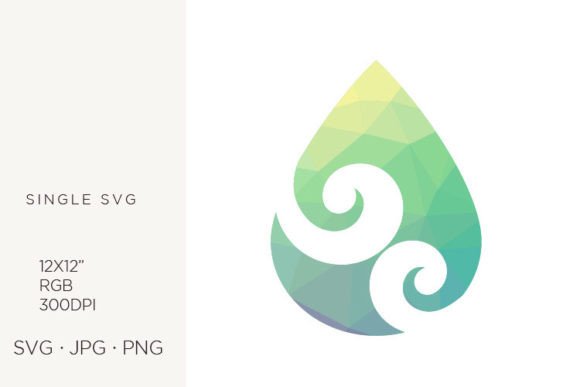
Consider the specifications of a premium design asset: an artboard size of 12x12 inches at a resolution of 300 DPI (dots per inch) in the RGB color palette. This setup is ideal for both screen-based and print-based projects. The 300 DPI standard is the benchmark for high-quality printing, ensuring that when you transfer your design onto paper, fabric, or cardstock, the lines remain sharp and the colors vibrant. The RGB color mode, while primarily used for screens, provides a wide gamut of colors that can be easily converted to CMYK for professional printing if necessary.
Understanding File Formats: SVG, JPG, and PNG
A comprehensive digital art package typically includes multiple file formats to cater to different needs. Understanding the role of each format is key to maximizing your creative potential:
- SVG (Scalable Vector Graphics): This is the most versatile file included in professional packages. Created in vector programs like Adobe Illustrator, SVGs are resolution-independent. This means you can scale the image from the size of a postage stamp to the size of a billboard without any loss of quality. It is perfect for logo design, web graphics, and cutting machines used in crafts.
- JPG (Joint Photographic Experts Group): Included at 300 DPI, this raster format is ideal for general use where a transparent background is not required. It is widely compatible and easy to share, making it suitable for quick previews, social media posts, or inserting into word processing documents.
- PNG (Portable Network Graphics): Also provided at 300 DPI, the PNG file features a transparent background. This is crucial for overlaying the Maori symbol onto colored backgrounds, photographs, or complex designs without having a white box around the image. It is the go-to format for digital invitations, web banners, and layered graphic designs.
Practical Applications in Creativity and Business
The versatility of stylized Maori symbols extends far beyond simple decoration. Here is how you can leverage these digital elements across various industries and hobbies:
- Logo Design and Branding: Businesses looking to convey strength, heritage, or connection to nature can incorporate these symbols into their branding. The clean lines of vector SVGs allow for easy manipulation, enabling designers to integrate the symbol with typography seamlessly.
- Wall Art and Home Decor: With high-resolution files, you can print large-scale wall art for homes, offices, or galleries. The intricate details of Maori patterns look stunning when printed on canvas, metal, or wood, adding a sophisticated cultural touch to interior design.
- Handmade Crafts and Stationery: For those who enjoy DIY projects, these files are perfect for creating handmade cards, invitations, and announcements. You can print them on high-quality cardstock for weddings, birthdays, or corporate events. Additionally, they can be used with cutting machines to create vinyl decals for journals, planners, and gift tags.
- Party Decor and Events: From birthday parties to cultural celebrations, these symbols can be used to create themed decorations. Print them on bunting flags, cupcake toppers, or table centerpieces to create a cohesive and visually striking event atmosphere.
- Graphic and Web Design: Web designers can use SVG files to create lightweight, fast-loading icons and headers. Because SVGs are code-based, they can also be animated or styled with CSS, offering dynamic interactions on websites and apps.
Bridging Tradition and Technology
The creation of these files in Adobe Illustrator highlights the intersection of traditional artistry and modern technology. Vector programs allow artists to draw with mathematical precision, ensuring that every curve and angle of the Maori symbol is perfect. This precision is what allows the design to be so flexible. Unlike pixel-based images, which degrade when enlarged, vector graphics maintain their integrity, making them a sustainable choice for long-term use.
For educators and students, these digital assets serve as excellent tools for learning about cultural geometry and design principles. They can be used in classrooms to discuss symmetry, balance, and the cultural significance of patterns. By manipulating these vectors, students can learn how digital tools can preserve and propagate cultural heritage in a respectful and accessible manner.
Common Misunderstandings and Best Practices
One common misconception is that all tribal-style designs are interchangeable. However, Maori art has specific rules and meanings. When using stylized versions, it is important to avoid altering the core structure in ways that distort the original intent. For instance, reversing a directional symbol might change its meaning entirely. Always research the specific symbol you are using to ensure it aligns with the message you wish to convey.
Another assumption is that high DPI is only for printing. While 300 DPI is critical for print, having high-resolution source files ensures that even when downscaled for web use, the image retains clarity and detail. It provides a "master copy" from which all other derivatives can be created.
Conclusion
Incorporating Stylized Maori Symbols into your creative projects is a powerful way to add depth, meaning, and visual appeal. By utilizing high-quality digital assets—such as the SVG, JPG, and PNG files provided in professional packages—you ensure that your work meets the highest standards of quality. Whether you are a seasoned graphic designer, a small business owner, or a hobbyist crafter, these tools empower you to create stunning logos, wall art, stationery, and more. Embrace the fusion of cultural heritage and digital innovation, and let your designs tell a story that resonates with audiences around the world.
For those interested in exploring more about vector art and cultural design elements, consider visiting online design resources or checking out tutorials on Adobe Illustrator to further enhance your skills.