Integrating the Bone Matau: Strategic Applications of Maori Symbolism in Modern Digital Design
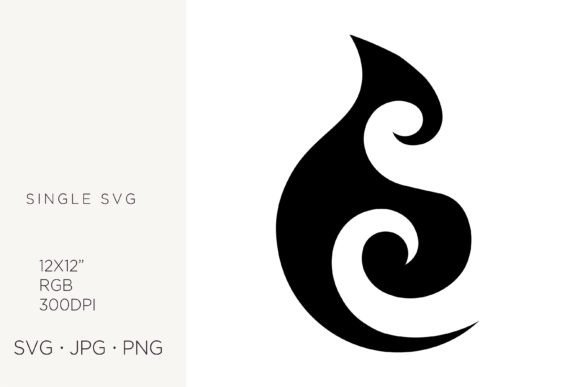
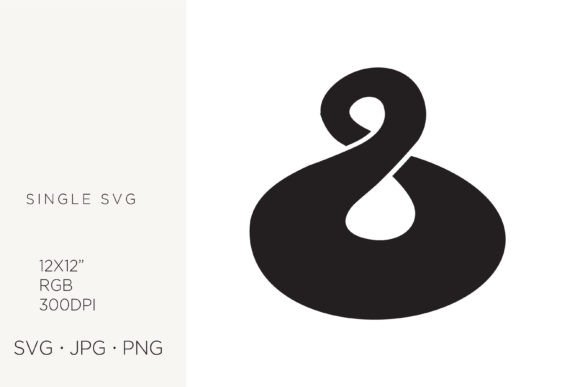
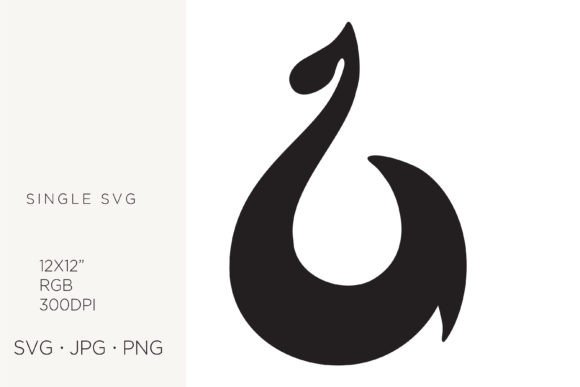
In the evolving landscape of digital content creation and brand identity, the demand for authentic, culturally resonant imagery has never been higher. Creators, marketers, and entrepreneurs are increasingly moving away from generic stock photography in favor of symbolic assets that convey depth, heritage, and narrative strength. Among these powerful visual tools, the Bone Matau, a traditional Maori Symbol shaped like a Fish Hook, stands out as a versatile element for contemporary design workflows. This article explores how integrating this specific vector artwork into your creative process can enhance logo design, wall art, and various printed materials while respecting its cultural significance.
Understanding the Cultural and Visual Weight of the Fish Hook
To effectively utilize the Bone Matau, one must first understand its origins and meaning. In Maori culture, the fish hook is not merely a tool for sustenance; it is a profound symbol of prosperity, abundance, and safe travel over water. Legend attributes the discovery of New Zealand to the demigod Maui, who used a magical fish hook to pull the North Island from the ocean depths. Consequently, the Maori Symbol represents strength, good luck, and a deep connection to the land and sea.
For modern designers and business owners, this symbolism translates into a visual language of reliability and growth. When you incorporate a Fish Hook motif into your branding, you are subtly communicating values of provision and stability. This is particularly relevant for businesses in the tourism, hospitality, and outdoor industries, but its aesthetic appeal extends far beyond these sectors. The clean, curved lines of the hook offer a balanced geometric form that is visually pleasing and easily recognizable, making it an ideal candidate for scalable vector graphics.
The Shift Toward High-Resolution Vector Assets in Professional Workflows
The modern creative economy is driven by speed and versatility. Freelancers and agencies alike require assets that can seamlessly transition from a business card to a large-format banner without losing quality. This is where the technical specifications of your digital files become critical. A standard raster image often fails when scaled up, resulting in pixelation that undermines professional credibility. However, utilizing a Bone Matau created in a vector program like Adobe Illustrator ensures infinite scalability.
The inclusion of an SVG file in your asset package is a game-changer for web designers and developers. SVGs are code-based, meaning they load quickly and remain crisp on any screen resolution, from mobile devices to 4K monitors. For print professionals, having access to high-resolution JPG and PNG files at 300 DPI ensures that the intricate details of the Maori Symbol are preserved in physical media. The transparent background of the PNG file allows for effortless layering over complex designs, such as textured paper invitations or vibrant party decor backgrounds, without the need for tedious manual editing.
Practical Applications Across Industries
The versatility of the Fish Hook design allows it to fit into a wide array of creative projects. Here is how different professionals can leverage this single vector artwork:
- Logo Design and Branding: Entrepreneurs launching eco-friendly brands or maritime services can use the Bone Matau as a central icon. Its organic curves complement minimalist typography, creating a logo that feels both modern and timeless.
- Wall Art and Home Decor: Interior designers and homeowners are increasingly seeking art that tells a story. A high-resolution print of the Maori Symbol can serve as a focal point in living spaces, promoting a sense of calm and connection to nature.
- Stationery and Invitations: For wedding planners and event coordinators, the hook’s elegant shape can be incorporated into save-the-date cards and announcements. It adds a touch of sophistication and cultural appreciation to handmade cards and printed paper items.
- Graphic and Web Design: UI/UX designers can use the icon as a button element or a decorative divider on websites focused on travel, sustainability, or cultural education. The clean lines ensure it does not clutter the interface.
Meeting the Demand for Authentic and Ethical Design
Consumers today are more informed and discerning than ever before. There is a growing preference for products and brands that demonstrate cultural awareness and ethical sourcing. Using a well-researched and accurately represented Bone Matau allows creators to engage with Maori culture respectfully. It is essential, however, to approach this with sensitivity. The design should be used to honor the symbolism rather than appropriate it trivially. By understanding the history behind the Maori Symbol, designers can create work that resonates on a deeper emotional level with their audience.
This trend toward authenticity is reshaping marketing strategies. Brands are no longer just selling products; they are selling values and narratives. A Fish Hook graphic, when used in the context of sustainability or community building, reinforces these messages. For instance, a company specializing in sustainable seafood might use the icon to highlight its commitment to responsible fishing practices, directly linking the ancient symbol of abundance to modern ecological responsibility.
Technical Excellence for Seamless Integration
The quality of the digital file determines the ease of integration into your workflow. The provided artwork, designed on a 12x12 inch artboard at 300 DPI in the RGB color palette, is optimized for both digital and print applications. The RGB palette ensures vibrant colors on screens, which is crucial for social media graphics and web design. Meanwhile, the 300 DPI resolution guarantees sharp prints for stationery, invitations, and handmade craft items.
The ZIP file structure, containing SVG, JPG, and PNG formats, addresses the diverse needs of modern creators. The SVG allows for easy customization in vector software, enabling designers to change colors or adjust paths to fit specific brand guidelines. The JPG provides a ready-to-use image for quick social media posts, while the transparent PNG is indispensable for overlaying the Bone Matau onto photographs or colored backgrounds in composite designs. This multi-format approach eliminates the bottleneck of file conversion, allowing freelancers and entrepreneurs to focus on creativity rather than technical troubleshooting.
Future-Proofing Your Creative Assets
As technology advances, the need for adaptable design elements will only increase. Vector graphics are future-proof because they are resolution-independent. Whether you are designing for a small smartphone screen today or a massive augmented reality display tomorrow, the Maori Symbol will maintain its integrity. This longevity makes investing in high-quality vector artwork a smart business decision for agencies and independent creators alike.
Furthermore, the rise of print-on-demand services has lowered the barrier to entry for selling custom merchandise. With the right digital assets, entrepreneurs can quickly create and sell handmade craft items, printed paper goods, and party decor featuring the Fish Hook design. The ability to scale the image without quality loss means that the same file can be used for a small sticker and a large tapestry, maximizing the return on investment for the digital purchase.
Conclusion
The Bone Matau is more than just a decorative element; it is a bridge between ancient tradition and modern design necessity. By incorporating this Maori Symbol into your creative toolkit, you gain access to a powerful visual metaphor for abundance and strength. Whether you are a marketer crafting a brand narrative, a designer creating web interfaces, or an entrepreneur producing handmade cards, the versatility and quality of this vector artwork support a wide range of applications. Embracing such meaningful symbols not only enhances the aesthetic value of your work but also connects you with a broader cultural conversation, meeting the modern consumer’s desire for authenticity and depth in the products and visuals they engage with every day.