Tree Logo Circular: A Guide to Olive Tree Vector Illustrations
In the realm of graphic design and digital crafting, the choice of visual assets can significantly influence the final aesthetic of a project. The Tree Logo Circular collection represents a specific niche of design resources focused on olive tree illustrations rendered in a digital hand-drawing style. For designers, hobbyists, and business owners seeking organic, nature-inspired elements, understanding the utility and technical specifications of these files is essential before integration into any workflow.
This article explores the characteristics of these olive tree illustrations, evaluates their suitability for various applications, and provides practical insights to help you determine if this asset set aligns with your creative goals.
Understanding the Design Aesthetic
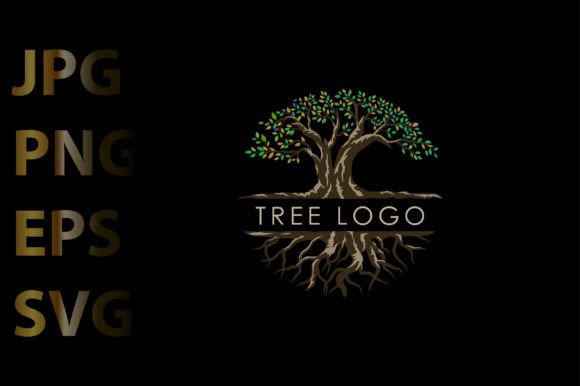
The core appeal of the Tree Logo Circular lies in its stylistic approach. Unlike rigid, geometric vector graphics, these illustrations emulate a hand-drawn quality. This digital hand-drawing style offers a balance between the authenticity of sketching and the precision of vector mathematics. The circular composition often associated with these logos suggests unity, continuity, and natural growth, making them particularly effective for brands that wish to convey stability and organic origins.
Olive trees themselves carry strong symbolic weight, representing peace, wisdom, and resilience. When incorporated into branding or decorative projects, these illustrations do more than fill space; they communicate a narrative. The high-quality rendering ensures that the intricate details of leaves and branches remain visible, avoiding the cluttered look that can sometimes plague complex botanical illustrations when scaled down.
Technical Specifications and File Formats
A critical consideration for any digital asset is its versatility across different platforms and production methods. This particular set is designed to be robust, offering multiple file formats to accommodate a wide range of technical requirements. Understanding the role of each format is key to maximizing the value of the download.
- EPS10 Files: Encapsulated PostScript files are the industry standard for professional printing and advanced vector editing. Being EPS10 compatible ensures that the files can be opened by most modern design software, including older versions. These files are fully editable, allowing designers to modify anchor points, change colors, or adjust line weights without any loss in quality.
- SVG Files: Scalable Vector Graphics are essential for web development. Unlike raster images, SVGs remain crisp at any screen resolution, making them ideal for responsive web design, icons, and interactive elements. They are also lightweight, which contributes to faster page loading times.
- PNG Files: Portable Network Graphics provide raster images with transparent backgrounds. This format is crucial for users who do not have vector editing software but still need to layer the olive tree illustrations over other designs in programs like Microsoft Word, Canva, or basic photo editors.
- JPG Files: While less flexible due to their white background and compression, JPGs are universally compatible and useful for quick previews or social media posts where transparency is not required.
The ability to resize these vector files without losing quality is a significant advantage. Whether you are designing a small favicon for a website or a large-format banner for a trade show, the integrity of the lines and shapes remains intact.
Practical Applications and Use Cases
The versatility of the Tree Logo Circular makes it suitable for a diverse array of projects. Evaluating your specific needs against the capabilities of these files will help determine their fit.
Branding and Identity
For businesses in the wellness, food, beauty, or environmental sectors, an olive tree logo can reinforce brand values. The circular layout works well for badges, seals, and emblems. Because the files are editable, a brand can easily adjust the color palette to match existing corporate identity guidelines, ensuring consistency across all marketing materials.
Print and Merchandise
High-resolution vector files are indispensable for print-on-demand services. T-shirt designs, tote bags, and packaging labels require graphics that can scale to fit various product dimensions. The clean lines of the digital hand-drawing style translate well to screen printing and direct-to-garment printing, minimizing issues with ink bleed or pixelation.
Digital Content and Web Design
Beyond static logos, these elements can serve as decorative accents in blog headers, email newsletters, and social media graphics. The organic feel adds warmth to digital interfaces, which can otherwise appear sterile. Using SVG formats ensures that these elements look sharp on high-density retina displays common in modern smartphones and tablets.
DIY Crafts and Personal Projects
For non-professional designers, the inclusion of PNG and JPG files lowers the barrier to entry. These formats allow crafters to use the illustrations in digital scrapbooking, invitation design, or home decor projects without needing specialized software. The aesthetic appeal of the olive tree makes it a popular choice for wedding stationery and event decorations.
Evaluating Fit: When to Choose This Asset
Deciding whether to utilize the Tree Logo Circular involves weighing several factors. This asset is a strong fit if your project requires an organic, naturalistic feel. It is particularly beneficial for users who need flexibility in scaling and editing. If you anticipate using the image across both digital and print mediums, the multi-format package provides necessary convenience.
However, there are scenarios where alternatives might be worth considering. If your brand identity relies on ultra-modern, minimalist, or geometric aesthetics, the hand-drawn texture of these olive trees may clash with your overall visual language. In such cases, a cleaner, more abstract vector icon might be more appropriate.
Additionally, while the files are editable, they require a certain level of technical proficiency to manipulate effectively in vector software. Users unfamiliar with tools like Adobe Illustrator or Inkscape may find the EPS and SVG files challenging to customize beyond simple color changes. For these users, relying on the provided PNGs may limit creative freedom.
Considerations for Implementation
When integrating these illustrations into your design, consider the context of use. The complexity of the olive tree branches means that detailed visibility is best achieved at larger sizes. For very small applications, such as mobile app icons, simplifying the design or using a cropped portion of the illustration may improve legibility.
Color selection is another critical factor. While the default black-and-white or monochrome styles are versatile, applying color can enhance emotional impact. Earth tones, greens, and golds complement the olive theme, but contrasting colors can make the logo stand out in crowded marketplaces. Always test your design in grayscale to ensure it remains recognizable without color reliance.
Furthermore, licensing terms should always be reviewed. While these files are ready for commercial use in many contexts, verifying the specific license agreement ensures compliance, especially for large-scale commercial products or resale items.
Conclusion
The Tree Logo Circular collection offers a robust solution for those seeking high-quality, nature-inspired design elements. Its combination of artistic hand-drawn aesthetics and technical vector precision makes it a valuable resource for a wide range of creative projects. By understanding the strengths of each file format and aligning them with your specific design requirements, you can effectively leverage these olive tree illustrations to enhance your visual communication. Whether for professional branding or personal DIY crafts, these assets provide the flexibility and quality needed to produce polished, impactful results.