The Strategic Power of the Rabbit Logo in Modern Brand Identity
In the crowded landscape of visual communication, selecting the right animal mascot is more than an aesthetic choice; it is a strategic business decision. The Rabbit Logo has emerged as a versatile and potent symbol for brands ranging from tech startups to lifestyle boutiques. Unlike aggressive predators or static objects, the rabbit conveys a unique blend of speed, agility, and approachability. This article explores why the rabbit icon is gaining traction among designers and entrepreneurs, examining its psychological impact, design versatility, and alignment with contemporary market trends.
Why the Rabbit Resonates with Modern Consumers
The appeal of the bunny extends far beyond seasonal associations with Easter or the Lunar New Year. In branding psychology, the rabbit represents several key attributes that modern consumers value: swiftness, fertility (in the sense of growth and innovation), and gentle intelligence. When a company adopts a rabbit silhouette or a minimalist hare outline, it signals efficiency without aggression. This is particularly crucial in industries like logistics, software development, and financial services, where speed and reliability are paramount, but trust and friendliness are equally important.
Consider the shift in consumer expectations toward user-friendly interfaces and accessible technology. A cute rabbit character or a geometric rabbit head softens the corporate image, making complex services feel more manageable. This "soft power" in design helps bridge the gap between cold functionality and human connection. Whether it is a flat design vector for a mobile app or a hand-drawn sketch for an artisanal bakery, the rabbit serves as a universal signifier of positive energy and forward motion.
Versatility Across Design Styles
One of the primary reasons designers favor the rabbit logo template is its adaptability. The form of the rabbit—characterized by long ears, a compact body, and powerful hind legs—lends itself to various artistic interpretations. This flexibility allows brands to tailor their visual identity to specific niche markets while maintaining recognizability.
- Minimalist and Linear: A single-line drawing or abstract contour of a rabbit appeals to modern, hipster, and luxury brands. This style emphasizes cleanliness and sophistication, often using black and white or monochrome palettes to convey elegance.
- Geometric and Tech-Focused: For technology companies, a geometric rabbit constructed from triangles or polygons suggests precision, digital native status, and structural integrity. This futuristic approach aligns well with software and data analytics firms.
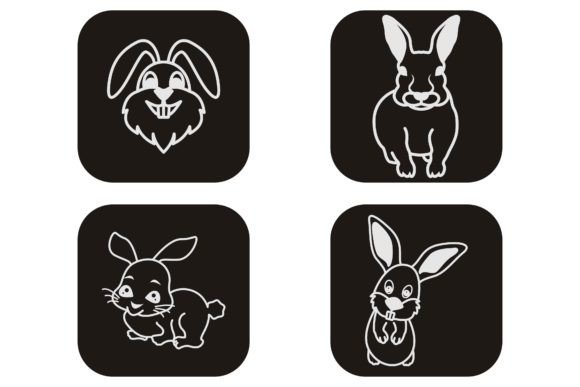
- Cartoon and Playful: Brands targeting families, children, or the gaming industry often opt for a cartoon bunny with exaggerated features. These funny and adorable illustrations create an immediate emotional bond, fostering brand loyalty through charm and humor.
- Retro and Vintage: A retro rabbit emblem with textured fills or vintage typography taps into nostalgia. This style is popular among craft breweries, barbershops, and boutique clothing lines that value heritage and authenticity.
Integrating the Rabbit into Corporate Identity
Creating a cohesive corporate identity around a rabbit logotype requires more than just placing an icon on a business card. It involves integrating the symbol into every touchpoint of the customer journey. From the website header to social media avatars, the consistency of the rabbit graphic reinforces brand recall.
For instance, a delivery service might use a running rabbit silhouette to emphasize speed, incorporating dynamic lines to suggest motion. Conversely, a wellness brand might choose a sitting rabbit in a meditative pose, using soft curves and pastel colors like pink or light gray to evoke calmness. The key is ensuring that the visual elements—such as the ear shape, posture, and line weight—align with the brand’s core values.
Moreover, the rabbit symbol works exceptionally well in responsive design. Its simple shapes scale effectively from large billboards to tiny favicon icons without losing clarity. This scalability is a critical technical advantage in today’s multi-device ecosystem, ensuring that the brand mark remains legible and impactful regardless of the screen size.
Cultural Significance and Global Appeal
The rabbit holds significant cultural weight across various regions, enhancing its utility for global brands. In Asian markets, particularly during the Year of the Rabbit, the animal is associated with longevity, peace, and prosperity. Incorporating Chinese or Japanese style artistic elements, such as calligraphy or ink wash patterns, can resonate deeply with these audiences. Similarly, in Western cultures, the rabbit is linked to spring, renewal, and Easter celebrations, offering seasonal marketing opportunities.
Brands leveraging this cultural duality can create limited-edition designs that celebrate both local traditions and global connectivity. For example, a golden rabbit illustration might be used for Lunar New Year campaigns, while a colorful Easter bunny could feature in spring promotions. This adaptability allows businesses to stay relevant throughout the year, engaging customers through seasonal storytelling and celebratory graphics.
Practical Applications for Entrepreneurs and Creators
For freelancers and small business owners, utilizing a rabbit logo design can provide a competitive edge. Here are practical ways to implement this motif effectively:
- Define Your Niche: Determine if your brand needs to project speed (fast, swift), cuteness (adorable, baby), or wisdom (wise, old hare). Choose a design style that matches this attribute. A tech startup might prefer a linear, abstract look, while a pet store might opt for a fluffy, realistic illustration.
- Color Psychology: Select colors that reinforce your message. Green suggests nature and eco-friendliness, ideal for wildlife or sustainable brands. Blue conveys trust and professionalism, suitable for corporate entities. Red or gold can highlight energy and celebration, perfect for holiday-themed campaigns.
- Typography Integration: Pair your rabbit icon with complementary typography. A bold, sans-serif font works well with modern, geometric rabbits, while a handwritten script pairs beautifully with sketch-style or doodle illustrations. Ensure the text and image balance each other, creating a harmonious logotype.
- Merchandising Potential: Consider how the rabbit design will look on physical products. Simple silhouettes and badges translate well to t-shirts, mugs, and stickers. A complex, detailed illustration might be better suited for posters or packaging where space allows for appreciation of the artwork.
Future Trends in Animal Branding
As we move further into the digital age, the trend toward anthropomorphic branding continues to grow. Consumers are increasingly seeking brands with personality and voice. The rabbit, with its expressive ears and dynamic poses, offers a rich canvas for character development. We can expect to see more animated logos, where the rabbit jumps or twitches its nose in digital interfaces, adding a layer of interactivity and delight.
Furthermore, the rise of AI-generated art and customizable templates makes it easier than ever for non-designers to experiment with rabbit motifs. However, the key to standing out remains originality. Avoiding generic clip-art in favor of unique, custom-drawn elements will ensure that your brand identity remains distinct and memorable.
In conclusion, the Rabbit Logo is not merely a trend but a timeless symbol adapted for modern needs. Its ability to convey speed, kindness, and creativity makes it an invaluable asset for any brand looking to connect with audiences on a deeper level. By understanding the nuances of design styles, cultural contexts, and practical applications, entrepreneurs and creators can harness the full potential of this charming and versatile animal icon.