Smart Home Logo: Designing a Modern Identity for Connected Living
In the rapidly evolving landscape of residential technology, visual identity is more than just an aesthetic choice; it is a critical component of trust and recognition. A Smart Home Logo serves as the digital handshake between a technology provider and the homeowner. Whether you are launching a new automation agency, developing a mobile application for remote control, or rebranding an existing real estate firm to highlight modern amenities, the design of your logo communicates your core values instantly. It bridges the gap between complex electrical engineering and the simple desire for comfort, security, and efficiency.
Creating an effective symbol for this industry requires a deep understanding of both technology and human psychology. The goal is not merely to create a pretty graphic but to craft a visual shorthand that conveys intelligence, reliability, and ease of use. This article explores how to approach the design of a smart home brand identity, addressing common challenges and offering practical solutions for businesses aiming to stand out in a crowded market.
The Challenge of Visualizing Invisible Technology
One of the primary hurdles in designing for the smart home sector is that the product itself is often invisible. Unlike a physical appliance like a refrigerator or a washing machine, smart home systems rely on networks, code, and wireless signals. How do you represent Wi-Fi connectivity, data encryption, or automated routines in a single static image? Many businesses struggle with this abstraction, resulting in logos that feel generic or overly technical.
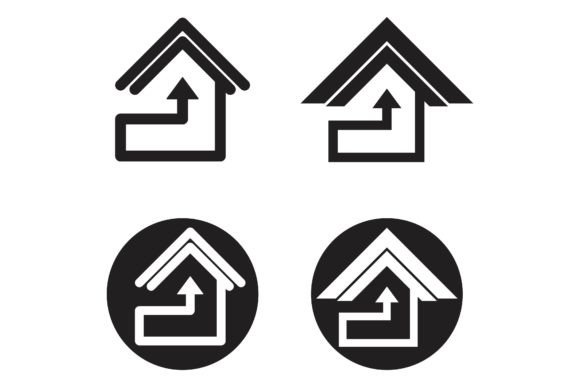
A successful Smart Home Logo must translate abstract concepts like "connectivity" and "automation" into tangible visual elements. Common motifs include the house silhouette, which grounds the technology in the context of residential living, combined with symbols of innovation such as circuit lines, wifi waves, or light bulbs. However, relying too heavily on clichés can make a brand look indistinguishable from competitors. The challenge lies in balancing familiar iconography with unique creative twists that reflect the specific niche of the business, whether it is focused on security, energy efficiency, or luxury convenience.
Key Elements of Effective Smart Home Branding
To create a logo that resonates with homeowners and property agents alike, designers must focus on clarity and modernity. Here are the essential components that contribute to a strong visual identity in this sector:
- Simplicity and Scalability: The logo must look sharp on a large billboard advertising a new housing development and remain legible as a tiny favicon on a web browser or a mobile app icon. Simple, linear designs often work best, avoiding excessive detail that gets lost at smaller sizes.
- Color Psychology: Color plays a pivotal role in conveying the right emotion. Blue is frequently used to represent technology, trust, and professionalism. Green is increasingly popular for brands focusing on eco-friendly solutions, solar power, and energy conservation. Meanwhile, sleek black or metallic tones can suggest luxury and high-end architectural integration.
- Symbolic Integration: Combining the concept of a "home" with "tech" is key. This might involve integrating a roofline with a power button symbol, using a hexagon shape to suggest structure and network nodes, or incorporating a light bulb to represent ideas and illumination. The fusion should feel seamless, not forced.
- Modern Typography: The font choice should complement the icon. Sans-serif typefaces are generally preferred for their clean, contemporary look, which aligns well with the futuristic nature of smart technology.
Tailoring the Design to Your Business Model
Not all smart home businesses have the same goals, and their logos should reflect their specific value propositions. Understanding your target audience is crucial for making the right design choices.
Security and Safety Focus
For companies specializing in surveillance, alarm systems, and access control, the primary emotion to evoke is safety. A Smart Home Logo in this niche might incorporate shield shapes, lock icons, or sturdy, bold lines. The color palette often leans towards deep blues or reds to signify alertness and protection. The design should feel robust and impenetrable, reassuring customers that their family and property are secure.
Energy Efficiency and Sustainability
Brands that focus on smart thermostats, solar panel management, and electricity monitoring need to highlight ecology and savings. Here, the integration of natural elements with tech symbols is effective. Think of a leaf morphing into a circuit board or a house outline filled with green energy motifs. The use of bright greens and earth tones helps communicate a commitment to environmental responsibility and cost-effective power usage.
Luxury and Lifestyle Automation
High-end residential automation agencies catering to luxury apartments and custom builds require a different approach. The logo should exude elegance and exclusivity. Minimalist designs with thin, precise lines, perhaps using gold or silver accents against a dark background, can convey sophistication. The focus here is less on the "tech" and more on the seamless, effortless lifestyle it enables. The icon might be subtle, relying on negative space and balanced geometry to create a sense of premium quality.
Practical Applications Across Digital and Physical Media
Once designed, the versatility of your Smart Home Logo determines its effectiveness across various touchpoints. In the digital realm, the logo appears on websites, mobile applications, and social media profiles. It must load quickly and retain its integrity on high-resolution screens. For app interfaces, a simplified version or a monogram might be necessary for buttons and headers.
In the physical world, the logo is present on service vehicles, technician uniforms, installation equipment, and marketing materials like brochures and business cards. For real estate agents selling smart-enabled properties, having a recognizable badge or sticker that can be placed on windows or doors adds perceived value to the home. It signals to potential buyers that the property is equipped with modern conveniences, potentially increasing its market appeal and sale price.
Future-Proofing Your Brand Identity
Technology evolves at a breakneck pace. Today’s cutting-edge wireless protocol may be obsolete in five years. Therefore, a smart home logo should avoid referencing specific technologies that might date quickly. Instead, focus on timeless concepts like connection, home, and intelligence. By keeping the design abstract yet recognizable, you ensure that your brand remains relevant as new innovations emerge.
Furthermore, consider the emotional connection. Smart home technology is ultimately about improving people's lives—making them safer, more comfortable, and more efficient. A logo that feels cold or overly mechanical may alienate users who are not tech-savvy. Incorporating soft curves, warm colors, or human-centric symbols can make the technology feel more approachable and friendly. It transforms the perception of the brand from a provider of gadgets to a partner in daily living.
In conclusion, designing a Smart Home Logo is a strategic exercise in balancing technical credibility with user-friendly appeal. By focusing on simplicity, appropriate color psychology, and clear symbolism, businesses can create a powerful visual identity that stands out in the competitive smart home market. Whether you are an electrician expanding into automation, a startup developing a new app, or a real estate agency highlighting modern features, a well-crafted logo is the foundation of your brand’s success. It tells your story before you say a word, inviting customers into a future where technology serves humanity seamlessly.