Integrating Geometric Abstract Pattern and Buddha Motifs into Professional Design Workflows
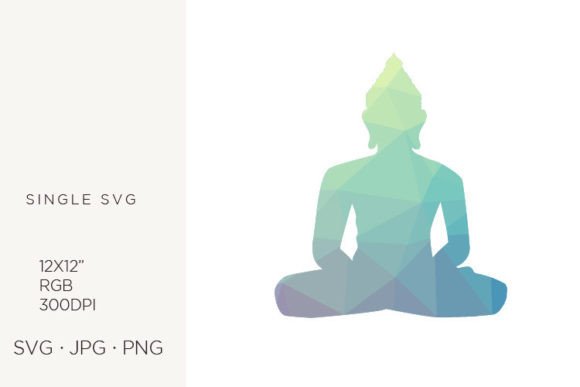
In the modern digital creative landscape, the intersection of spiritual symbolism and mathematical precision offers a unique aesthetic opportunity. The Geometric Abstract Pattern featuring Buddha imagery represents more than just a decorative element; it is a versatile asset that can streamline design processes for professionals across various industries. Whether you are a graphic designer working on brand identity, a small business owner creating marketing materials, or an educator developing visual aids, understanding how to effectively integrate these specific digital assets into your workflow is crucial for maintaining efficiency and high-quality output.
This article explores the practical application of high-resolution vector and raster files centered around this theme. By examining the technical specifications—such as the 12x12 inch artboard size, 300 DPI resolution, and RGB color palette—we can determine exactly where these files fit into broader project timelines. The goal is to move beyond simple decoration and view these assets as functional components of a robust design system.
Understanding the Asset Specifications and Quality Control
Before integrating any digital graphic into a professional workflow, it is essential to understand the technical foundation of the file. The package in question includes three distinct file formats: one SVG, one JPG, and one PNG with a transparent background. All files are rendered at 300 DPI in the RGB color space, originating from Adobe Illustrator. This origin story is significant because it implies that the geometric lines and curves are mathematically precise, ensuring scalability without loss of quality.
The SVG file is the cornerstone of this asset pack for web and scalable print projects. Because it is vector-based, it allows for infinite resizing. For a web designer, this means the Geometric Abstract Pattern can be used as a responsive background element that loads quickly and remains crisp on retina displays. For a print professional, the SVG can be imported directly into layout software like Adobe InDesign or Affinity Publisher, allowing for last-minute color adjustments to match specific brand guidelines before final export.
The inclusion of a PNG file with a transparent background at 300 DPI addresses immediate usability for composite designs. When layering the Buddha motif over textured papers, photographs, or complex gradients, the transparency eliminates the need for manual masking or background removal. This saves considerable time during the execution phase of a project, particularly when working under tight deadlines for client deliverables such as invitation cards or social media announcements.
Strategic Placement in the Design Process
Effective use of pre-made assets requires knowing when to introduce them into your workflow. The Geometric Abstract Pattern, Buddha can serve different functions depending on the stage of your project.
Pre-Production and Conceptualization
During the brainstorming phase, these assets can act as mood board anchors. The combination of geometric rigor and spiritual calmness sets a specific tone. For marketers planning a wellness campaign or a yoga studio launch, placing this image early in the conceptual deck helps align stakeholders on the visual direction. It communicates balance, precision, and tranquility simultaneously. Using the 12x12 inch square format allows for easy integration into social media grids during the planning stage, helping teams visualize how the brand will appear on platforms like Instagram or Pinterest.
Execution and Production
In the production phase, the versatility of the file formats becomes critical. Consider a scenario where a small business owner is creating a line of handmade craft items. The JPG file, with its solid background and high resolution, is ideal for sublimation printing on mugs or tote bags where a full-bleed image is required. Conversely, if the same entrepreneur is designing stationery or printed paper items, the transparent PNG allows the geometric pattern to sit subtly behind text, ensuring readability while adding visual interest. This adaptability reduces the need to commission multiple custom illustrations, thereby optimizing the budget and timeline.
Post-Production and Distribution
After the primary design is complete, these assets continue to provide value in repurposing content. A logo design created using the SVG element can be easily adapted for favicon use, email signatures, or watermarks on digital PDFs. The consistency provided by using the same core geometric elements across different touchpoints strengthens brand recognition. For educators or bloggers, the images can be resized and optimized for web use, serving as featured images for articles discussing mindfulness, geometry in nature, or artistic techniques.
Workflow Integration and Compatibility
Integrating these files into existing workflows requires attention to compatibility and organization. Since the files are created in Adobe Illustrator, they adhere to industry-standard vector protocols. However, users working in alternative ecosystems such as CorelDRAW, Affinity Designer, or open-source tools like Inkscape will find the SVG format universally compatible. It is important to note that while the RGB color palette is standard for digital screens and many modern print-on-demand services, traditional offset printing may require conversion to CMYK. Designers should perform this conversion carefully to ensure the vibrancy of the geometric patterns is maintained.
Organization is another key factor. Storing the SVG, JPG, and PNG files in a structured directory alongside project briefs and font licenses ensures that assets are retrievable for future updates. For freelancers managing multiple clients, tagging these files with metadata related to "wellness," "geometry," and "abstract" can speed up search times when similar projects arise months later. This long-term usability transforms a single purchase into a recurring resource.
Practical Applications Across Industries
The utility of the Geometric Abstract Pattern, Buddha extends across a wide spectrum of professional and personal projects. Below are specific use cases that highlight its flexibility:
- Brand Identity and Logo Design: The geometric nature of the pattern lends itself well to minimalist logo construction. Entrepreneurs in the wellness, spa, or consulting sectors can extract specific geometric shapes from the SVG to create unique iconography that conveys stability and calm.
- Printed Paper Items and Stationery: High-resolution JPGs and PNGs are perfect for creating cohesive stationery sets. Business cards, letterheads, and envelopes benefit from the subtle texture and depth provided by the abstract background, enhancing the perceived value of the physical item.
- Event Decor and Invitations: For wedding planners or event coordinators, the 12x12 inch format is ideal for square invitations or save-the-date cards. The serene imagery supports themes of harmony and celebration, while the digital files allow for rapid customization of text and colors to match event palettes.
- Web and Graphic Design: Web designers can use the SVG code to animate parts of the geometric pattern, creating engaging hero sections for websites. The lightweight nature of SVG ensures fast load times, which is critical for user experience and SEO performance.
- Handmade Craft and DIY Projects: Hobbyists and makers can utilize the high-DPI files for heat transfer vinyl cutting, sticker creation, or decoupage. The clarity of the lines at 300 DPI ensures that even intricate details remain sharp when scaled down for smaller craft items.
Ensuring Consistency and Long-Term Value
To maximize the return on investment for digital assets, consistency in application is key. When using the Geometric Abstract Pattern, Buddha across multiple platforms, maintain consistent scaling and color treatment. If the pattern is used as a watermark on digital products, ensure the opacity is adjusted uniformly to avoid distracting from the primary content. For physical products, conduct test prints to verify that the RGB colors translate accurately to the chosen substrate, whether it be glossy photo paper, matte cardstock, or fabric.
Furthermore, consider the legal and ethical implications of usage. While these files are designed for commercial and personal use, always review the specific license terms provided by the creator. Proper attribution, if required, should be integrated seamlessly into the project metadata or accompanying documentation rather than disrupting the visual integrity of the design.
In conclusion, the Geometric Abstract Pattern, Buddha is not merely a static image but a dynamic tool for creative expression and professional efficiency. By understanding its technical specifications, strategically placing it within your design workflow, and leveraging its compatibility across various mediums, you can enhance the quality and coherence of your projects. Whether you are designing a corporate logo, crafting handmade invitations, or building a responsive website, these digital elements provide the structural beauty and symbolic depth needed to engage your audience effectively. Embrace the precision of geometry and the calm of the motif to elevate your creative output.