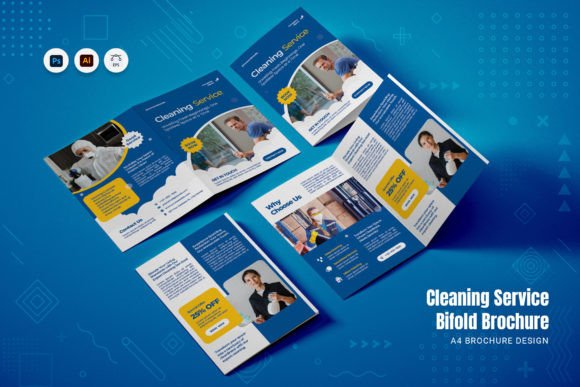
Mastering the Cleaning Service Bifold Brochure for Modern Marketing
In an era where digital noise often drowns out meaningful communication, tangible marketing materials retain a unique power to persuade. For cleaning professionals, the Cleaning Service Bifold Brochure serves as more than just a flyer; it is a physical representation of reliability, order, and professionalism. When potential clients hold a well-crafted brochure, they are not merely reading about dust removal or floor polishing—they are experiencing the clarity and structure that your service promises to bring into their homes or offices.
The relevance of this format has evolved alongside changing consumer habits. While social media ads capture fleeting attention, a printed brochure invites sustained engagement. It allows business owners to present detailed service lists, pricing structures, and trust signals in a compact, organized manner. This shift back to high-quality print reflects a broader market preference for authenticity and tactile experiences, making the design and distribution of these brochures a critical component of any comprehensive marketing strategy.
The Strategic Value of Physical Collateral in a Digital Age
Many entrepreneurs assume that digital-only marketing is sufficient for service-based businesses. However, local service providers, such as residential cleaners or commercial janitorial teams, operate in highly localized markets where community presence matters. A Cleaning Service Bifold Brochure acts as a silent ambassador for your brand, working 24/7 on kitchen counters, reception desks, and community bulletin boards.
This medium bridges the gap between initial interest and committed action. Unlike a scrolling feed, a brochure provides a structured narrative. It guides the reader through a logical flow: identifying the problem (mess, lack of time, hygiene concerns), presenting the solution (your specialized services), and offering proof of competence (testimonials, certifications, before-and-after visuals). This linear progression is difficult to replicate in fragmented digital formats, giving print a distinct advantage in conversion psychology.
Design Principles That Drive Engagement
Creating an effective brochure requires more than just placing text on paper. It demands a strategic approach to layout, typography, and visual hierarchy. The modern aesthetic favors clean lines, ample white space, and high-resolution imagery that conveys freshness and cleanliness. When utilizing a template for a Cleaning Service Bifold Brochure, understanding the underlying structure is key to customization.
One of the most significant advantages of using professional templates is the technical precision they offer. For instance, a high-quality template ensures that the file is set to A4 Paper Size with CMYK 300DPI color settings. This specification is crucial because RGB colors used for screens often appear dull when printed. By starting with a CMYK-ready file, designers avoid costly color mismatches, ensuring that the vibrant blues and greens associated with hygiene and nature pop off the page.
Furthermore, the inclusion of bleed areas is non-negotiable for professional results. Bleed ensures that background colors or images extend to the very edge of the paper after trimming, preventing unsightly white borders. Templates that come with bleed included save hours of manual adjustment, allowing creators to focus on messaging rather than technical troubleshooting.
Customization and Ease of Use for Non-Designers
Not every cleaning business owner has access to a dedicated graphic design team. This is why the accessibility of design tools has become a major trend in small business marketing. Modern templates are built with usability in mind, featuring fully layered and well-organized files. Whether you are using Adobe Illustrator or Adobe InDesign, the ability to toggle layers on and off simplifies the editing process significantly.
Key features that enhance user experience include:
- Super Easy to Edit: Text boxes and image placeholders are pre-configured, allowing users to swap content without disrupting the layout integrity.
- Free Fonts Used: Licensing issues can halt a project. Templates that utilize free, commercially safe fonts remove this barrier, ensuring that the final product is legally compliant and ready for distribution.
- Paragraph Styles: Consistent typography is essential for readability. Pre-set paragraph styles ensure that headings, subheadings, and body text maintain uniform spacing and font weights throughout the document.
These elements democratize design, enabling freelancers and small business owners to produce agency-quality materials. The result is a stylish web template layout translated into print, offering a clean and modern look that resonates with contemporary audiences who value minimalism and clarity.
Technical Specifications for Professional Output
To ensure the final product meets industry standards, it is vital to understand the file types involved. A comprehensive package for a Cleaning Service Bifold Brochure typically includes multiple formats to suit different workflows. The main files usually include:
- Ai (Adobe Illustrator): Ideal for vector-based editing, allowing for infinite scalability of logos and icons without loss of quality.
- INDD (Adobe InDesign): The industry standard for multi-page layouts and text-heavy documents, offering superior control over typography and page structure.
- Readme.txt: A simple but crucial file that provides instructions on font installation, layer organization, and printing guidelines.
Having access to both vector and layout software files provides flexibility. If a business needs to adjust a logo size significantly, the Illustrator file is preferable. If the focus is on rearranging large blocks of text regarding service packages, InDesign is the better tool. This dual-format approach ensures that the template is versatile enough to accommodate various levels of technical expertise and specific design needs.
Aligning Content with Consumer Expectations
Beyond aesthetics, the content within the brochure must address current consumer priorities. Today’s clients are increasingly concerned with eco-friendly practices, health safety, and transparency. A well-designed brochure provides the space to articulate these values clearly. Instead of vague promises, use the structured panels to list specific green cleaning products used, staff vetting processes, and satisfaction guarantees.
The clean and modern layout of a bifold brochure supports this transparency. By using image placeholders effectively, businesses can showcase real teams in action, reinforcing trust. Authentic photography performs better than stock images, as it humanizes the brand. When potential customers see uniformed, smiling professionals in a recognizable local setting, the psychological barrier to hiring decreases.
Moreover, the educational aspect of the brochure should not be overlooked. Many clients may not understand the difference between standard cleaning and deep sanitization. Using the informative panels to explain these distinctions positions the business as an expert authority. This educational approach aligns with the trend of consumers seeking value and knowledge before making purchasing decisions.
Practical Implementation and Distribution Strategies
Once the Cleaning Service Bifold Brochure is designed and printed, its effectiveness depends on strategic distribution. Randomly handing out flyers is less effective than targeted placement. Consider partnering with local real estate agents who can include the brochure in welcome packets for new homeowners. Property managers often appreciate high-quality materials to leave in vacant units for prospective tenants.
Another effective strategy is direct mail campaigns focused on specific neighborhoods. By targeting areas with demographics that match your ideal client profile—such as busy professionals or families with young children—you increase the likelihood of conversion. The tactile nature of the brochure makes it more likely to be retained if the design is visually appealing and the offer is compelling.
Additionally, integrate the physical brochure with your digital presence. Include QR codes that link directly to your booking page, customer reviews, or a special introductory offer. This hybrid approach leverages the credibility of print with the convenience of digital action, creating a seamless user journey from awareness to appointment.
Conclusion: Investing in Quality Communication
The Cleaning Service Bifold Brochure remains a potent tool in the marketer’s arsenal. It combines the permanence of print with the flexibility of modern design templates. By utilizing resources that are fully layered, print-ready, and easy to customize, businesses can create materials that reflect their commitment to quality. In a competitive market, the details matter—from the CMYK color accuracy to the clarity of the message. Investing time in crafting a superior brochure is an investment in the perceived value of your service, ultimately driving growth and customer loyalty.