Mastering Mandala Monogram Letter V for Professional Design Projects
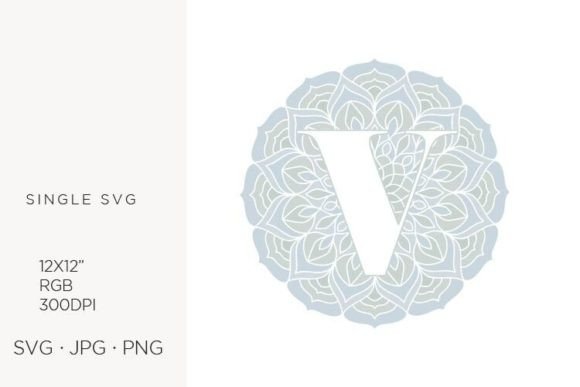
In the crowded world of digital design, finding assets that balance intricate beauty with functional versatility is a challenge. The Mandala Monogram Letter V represents a unique intersection of geometric precision and organic flow, making it a powerful tool for creators who want their work to stand out. Whether you are designing a wedding invitation, branding a boutique jewelry line, or creating custom wall art, this specific type of vector graphic offers a sophisticated aesthetic that appeals to a wide demographic. However, simply downloading a file is not enough to guarantee professional results. Many designers, from enthusiastic beginners to seasoned freelancers, overlook critical technical details that can compromise the final output.
Understanding the nuances of these digital elements is essential for maintaining quality and efficiency. This guide explores common pitfalls associated with using mandala-based monograms and provides practical advice on how to leverage them effectively in your creative workflow.
The Trap of Ignoring File Formats and Resolution
One of the most frequent mistakes creators make is assuming all image files are created equal. When you acquire a Mandala Monogram Letter V, you will typically receive multiple formats, such as SVG, JPG, and PNG. A common error is using a raster image (JPG or PNG) for large-scale printing or logo design. While these formats are convenient for quick web previews, they are pixel-based. If you scale them up beyond their original dimensions, they become blurry and unprofessional.
The Solution: Always prioritize the SVG (Scalable Vector Graphics) file for any project that requires resizing. Since these files are made in vector programs like Adobe Illustrator, they use mathematical paths rather than pixels. This means you can scale the letter V from a small business card to a massive vinyl wall decal without losing any sharpness. Reserve the JPG and PNG files for digital-only uses where editing is not required, such as social media posts or email signatures. Checking the resolution is also vital; ensure your raster files are at least 300 DPI if you intend to print them, as lower resolutions will result in jagged edges and poor print quality.
Overlooking Color Palette Compatibility
Another significant oversight involves color management. Many mandala designs come in RGB color palettes, which are optimized for screens. Beginners often forget to convert these colors when preparing files for physical products. RGB colors can look vibrant on a monitor but may appear dull or shifted when printed using CMYK ink processes. This discrepancy can lead to disappointing results for clients expecting exact color matches on stationery or packaging.
Furthermore, the intricate nature of mandala art means that complex color gradients can sometimes muddy the design when printed on textured paper or fabric. It is advisable to test your color choices on the actual material you plan to use. For a cleaner look, consider simplifying the color palette to two or three contrasting tones. This approach not only reduces printing costs but also enhances the visibility of the detailed patterns within the letter V.
Misjudging the Complexity for Specific Applications
Not every application suits a highly detailed mandala. A common mistake is using an intricate Mandala Monogram Letter V for small-scale items like jewelry tags or favicon icons. At small sizes, the fine lines of the mandala pattern can merge together, creating a visual blob rather than a distinct letter. This reduces readability and diminishes the aesthetic appeal.
Better Approach: Evaluate the end-use before selecting your design variant. For small applications, choose a version of the monogram with bolder lines and less internal detail. For large-format prints like wall art or party decor, you can fully utilize the complexity of the design. Always zoom out to view your design at its intended size during the editing process. If the details disappear, simplify the design or increase the scale.
Neglecting Licensing and Commercial Use Rights
For entrepreneurs and small business owners, understanding licensing is non-negotiable. A frequent and costly error is assuming that purchasing a digital download grants unlimited commercial rights. Some assets are licensed for personal use only, while others allow for a limited number of physical sales. Using a restricted asset for a client’s logo or a mass-produced product line can lead to legal issues and financial penalties.
Always read the license agreement included with your Mandala Monogram Letter V files. Look for specific terms regarding "commercial use," "print-on-demand," and "logo usage." If you plan to use the element as part of a trademarked logo, ensure the license permits this, as many standard licenses prohibit using stock elements as the primary identifiable mark of a brand. When in doubt, contact the creator for clarification or purchase an extended license.
Failure to Customize and Integrate
Using a pre-made graphic exactly as it appears in the preview is a missed opportunity. Many users drop the PNG file into their design and call it done. This lack of customization can make your work look generic and indistinguishable from competitors who bought the same asset. The true value of vector files lies in their editability.
Open the SVG in Adobe Illustrator or a similar vector program to unlock its potential. You can adjust the stroke weight, change individual segment colors, or even combine the letter V with other graphical elements to create a unique composition. For instance, you might extend certain lines of the mandala to frame text or integrate floral elements that match your brand’s theme. This level of customization transforms a stock asset into a bespoke design element, adding significant value to your final product.
What to Check Before You Commit
Before finalizing your purchase or starting your project, perform a quick quality audit. Open the vector file and check for clean paths. Are there unnecessary anchor points that could complicate cutting processes for vinyl or laser engraving? Smooth, efficient paths are crucial for handmade craft items and professional fabrication. Additionally, verify that the artboard size matches your needs. A standard 12 x 12 inch artboard is versatile for many crafts, but ensure the design is centered and properly grouped for easy manipulation.
By avoiding these common mistakes and adopting a more strategic approach to using Mandala Monogram Letter V clipart, you can elevate the quality of your designs. Whether you are creating announcements, graphic web elements, or handmade cards, attention to technical detail and creative customization will ensure your work resonates with your audience and stands the test of time.